




































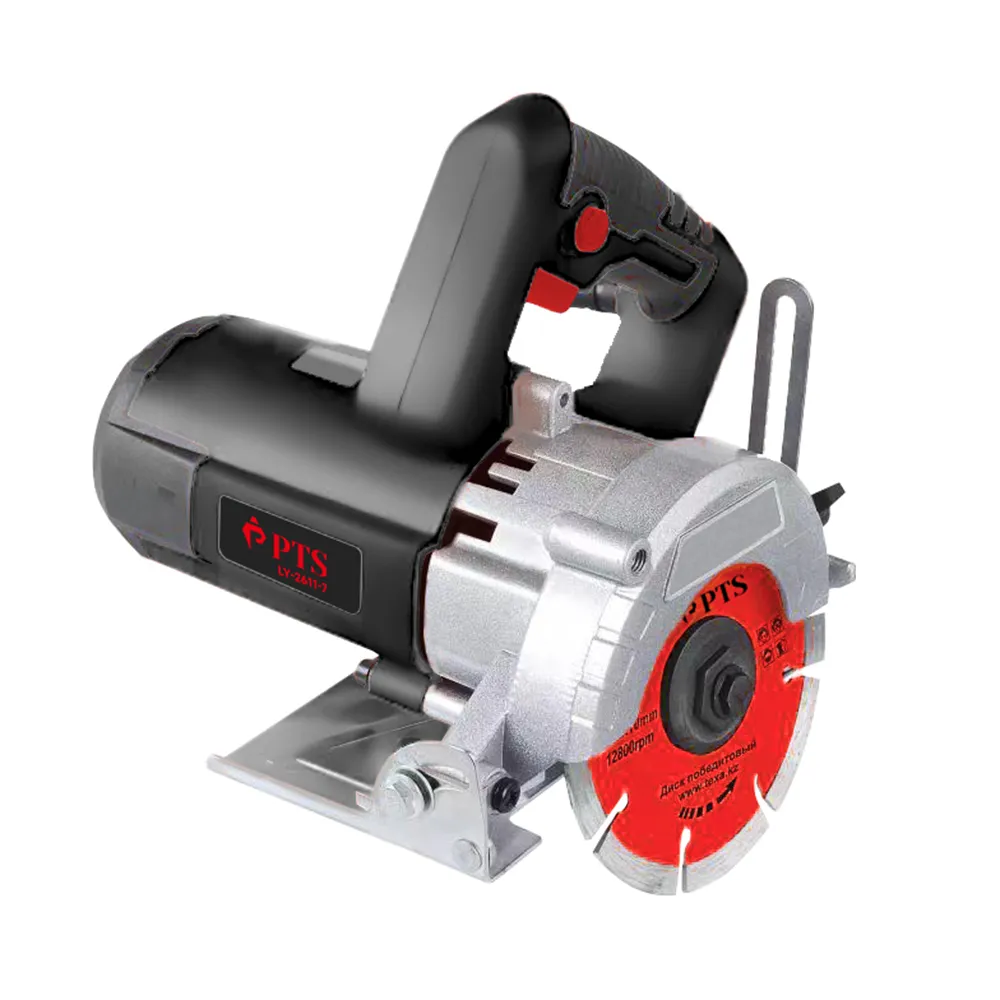

























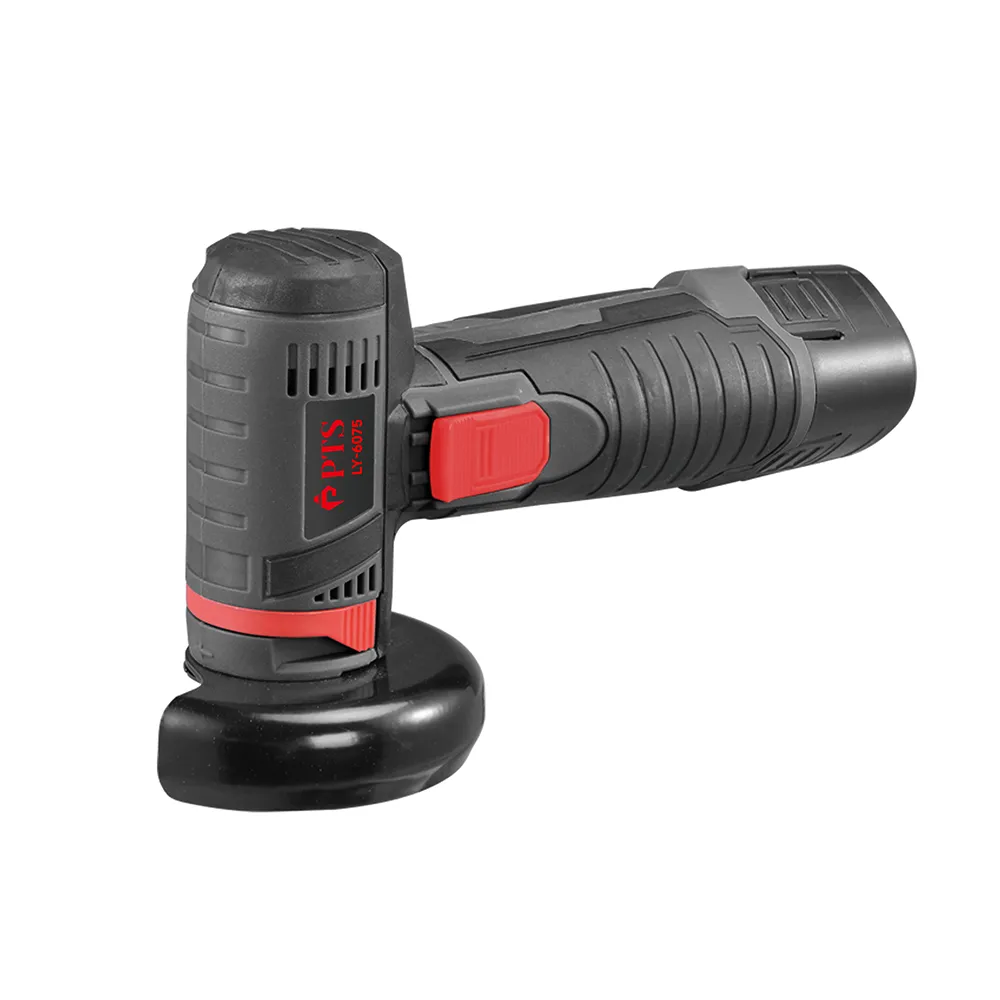
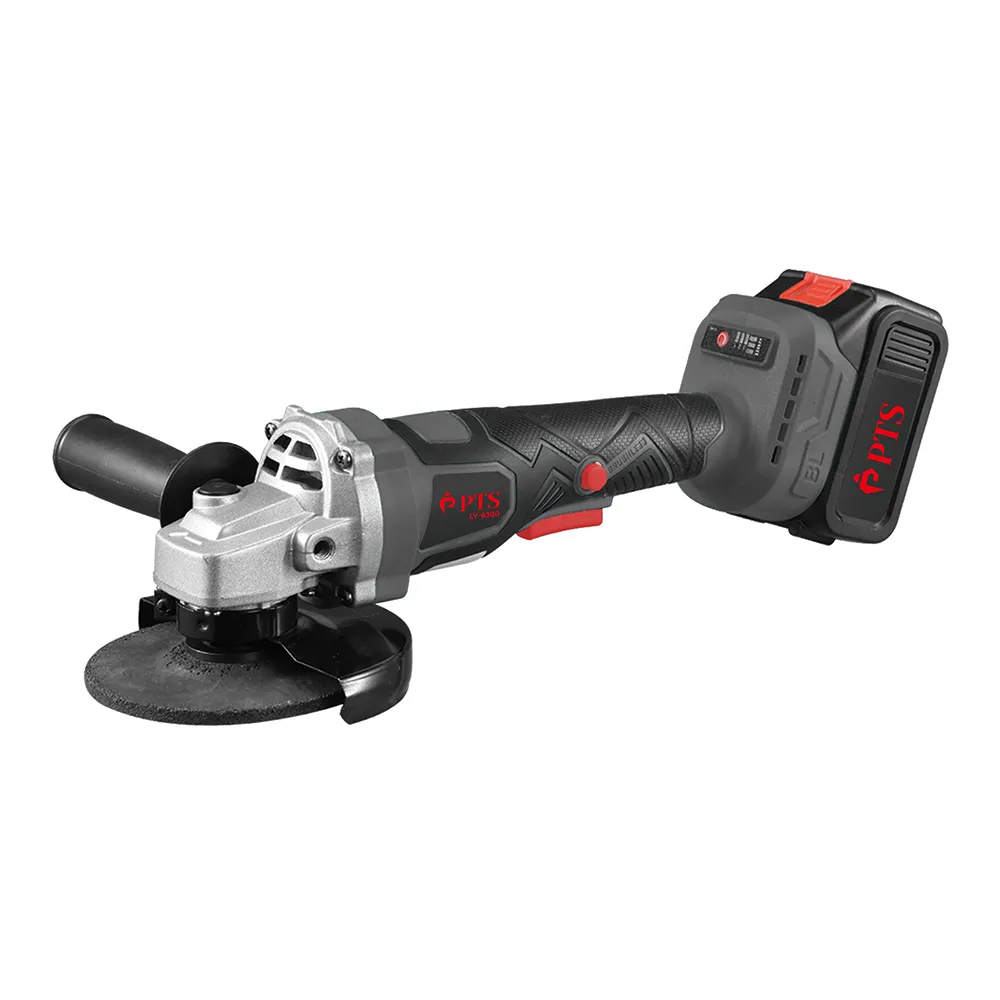
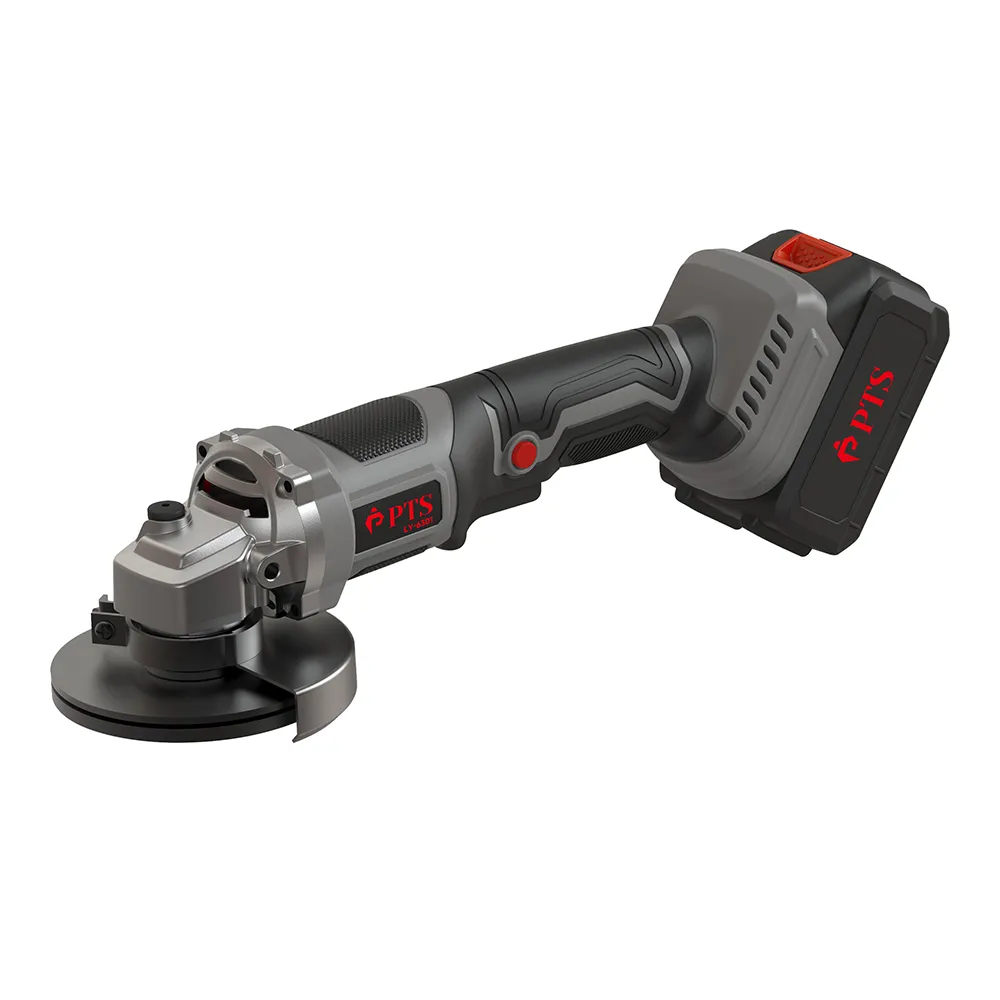
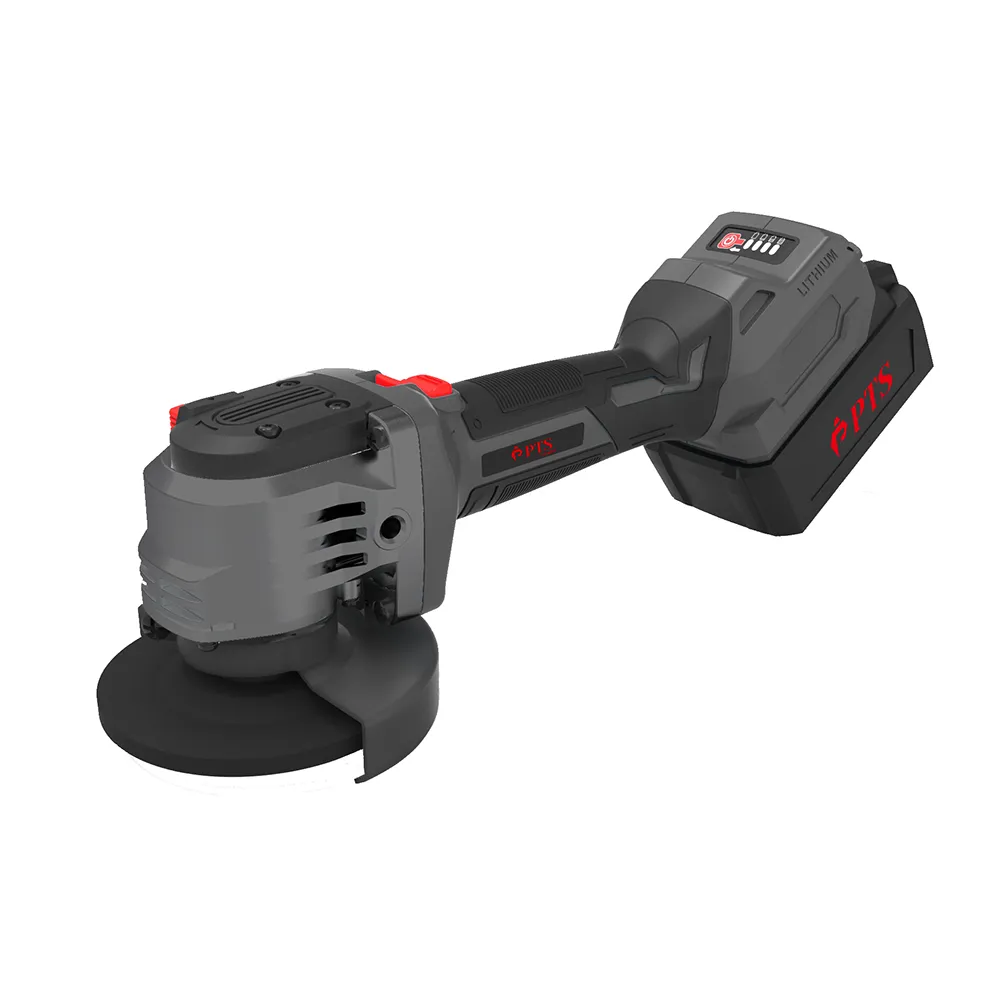























































































The Angle Grinder: The Spinning Multitool, Mastering Power in a Hail of Sparks
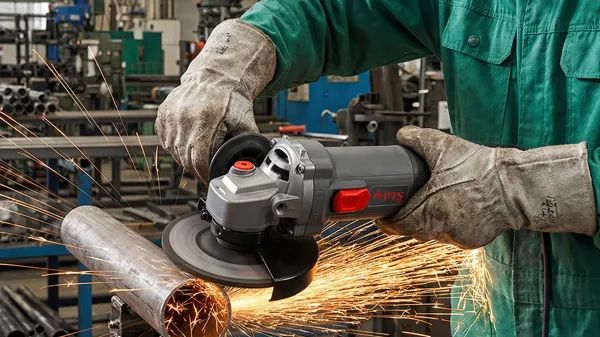
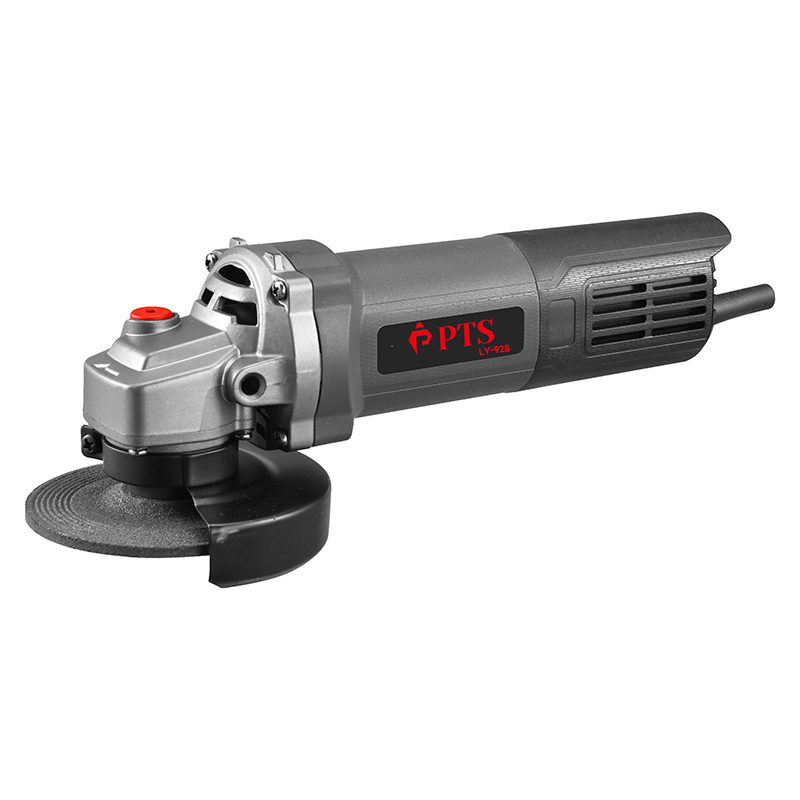
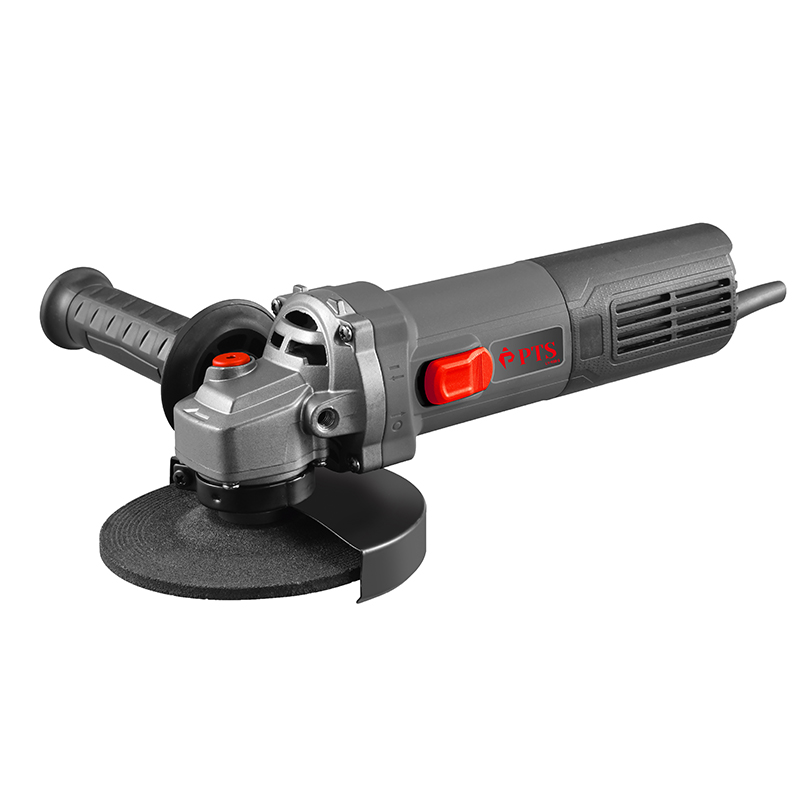
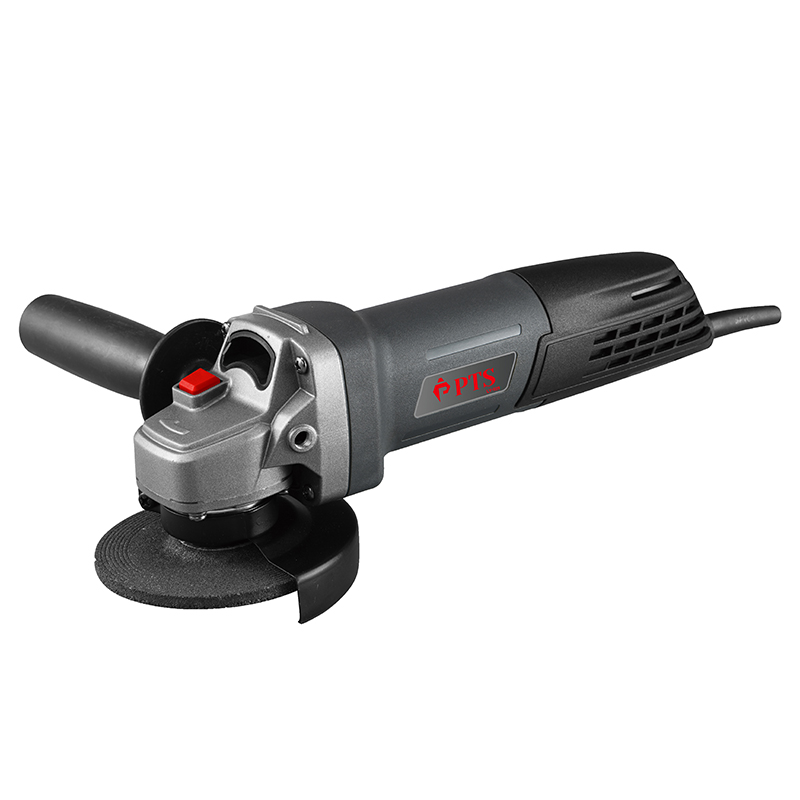
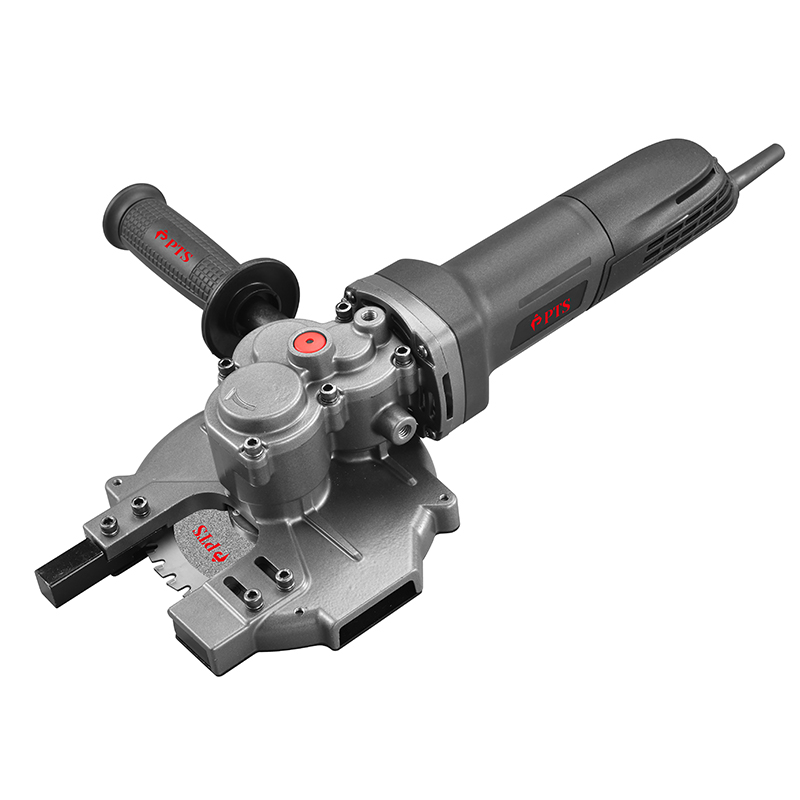
When a high-pitched whine pierces the air and a spinning abrasive disc meets metal or stone, erupting in a shower of incandescent sparks, the angle grinder reveals itself as an indispensable powerhouse in the modern workshop, construction site, and home DIY arsenal. This handheld marvel of rotational force grants its user the power to grind, cut, polish, and strip a vast array of materials, making it the ultimate tool for shaping surfaces, dismantling structures, and achieving precision finishes.
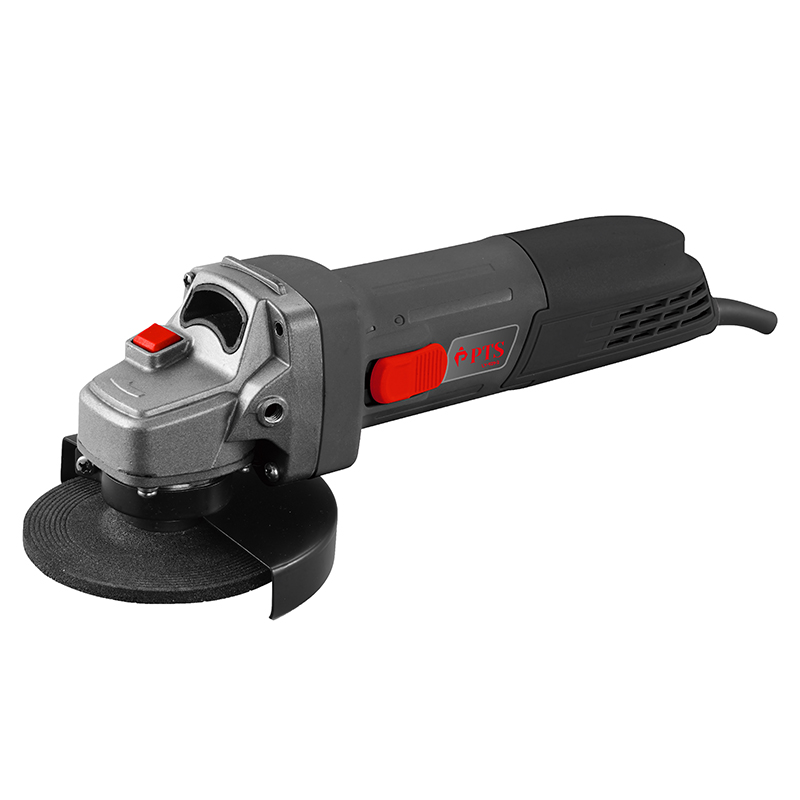
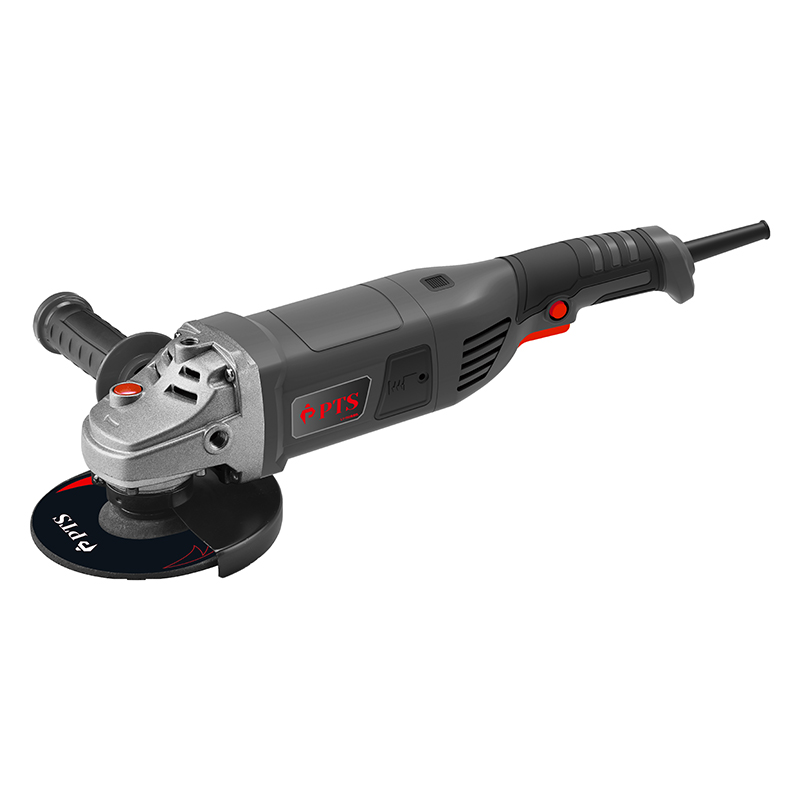
The Heart of the Beast: High-Speed Rotation UnleashedAt its core lies a high-revving electric motor (commonly universal brushed or brushless types). Electrical energy spins the rotor at blistering speeds, typically ranging from 11,000 to over 15,000 revolutions per minute (RPM). This formidable rotational energy is transmitted via a geared reduction system (often spiral bevel or spur gears, though some small models are direct drive) to the spindle, which drives the attached wheel or disc. Precision bearings ensure smooth operation at high speeds, while an integrated fan provides crucial forced-air cooling. Power ratings span from nimble 700W home models to robust 2600W+ industrial beasts, catering to diverse demands. Disc diameters commonly range from 100mm (4 inches) to 230mm (9 inches), tailored to specific tasks.
Safety Paramount: Respecting the 10,000 RPM EdgeOperating an angle grinder demands unwavering respect for safety. The immense kinetic energy stored in a spinning disc makes it potentially lethal if the disc shatters or the tool kicks back. Essential safety is non-negotiable:
Mandatory Personal Protective Equipment (PPE): A full-face shield or safety goggles (impact-rated), cut-resistant gloves (vibration and cut protection), a respirator or dust mask (harmful dust inhalation), sturdy workwear, and safety boots are the absolute minimum.
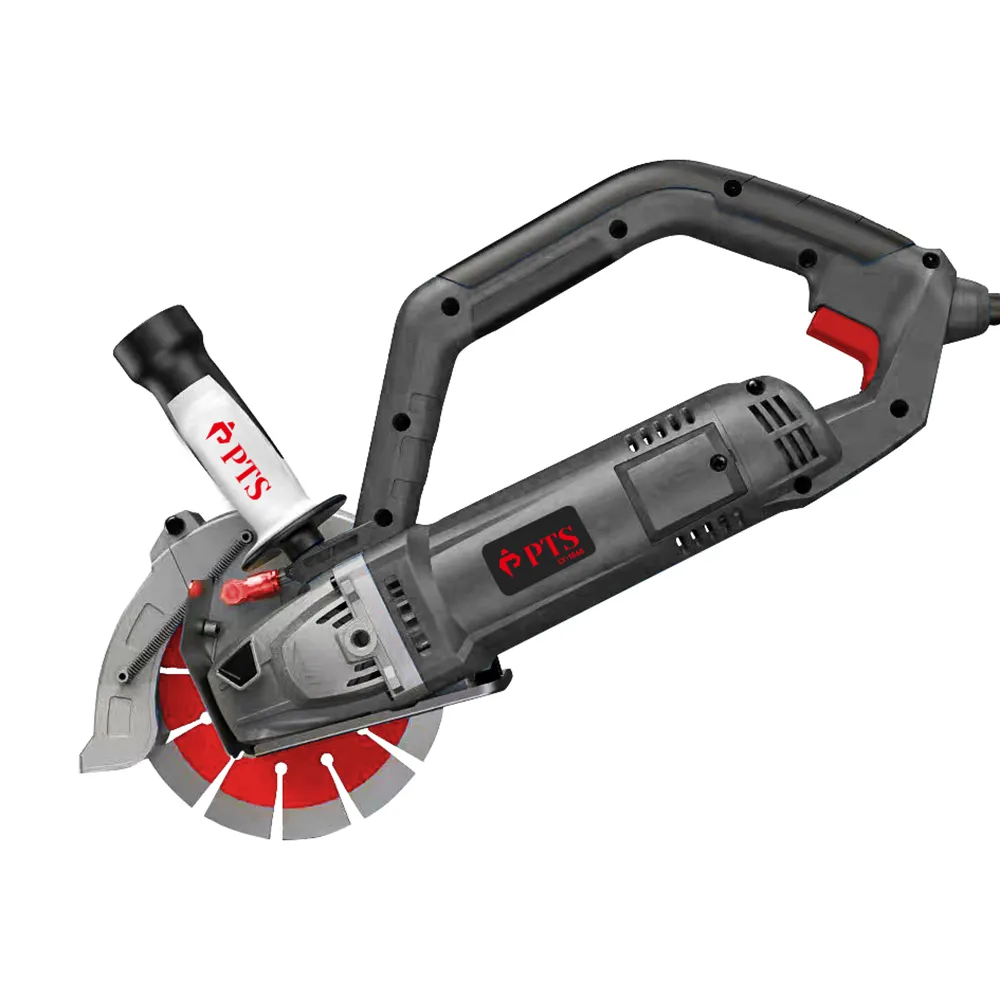
Guard: The Vital Shield: The adjustable safety guard MUST always be correctly installed and positioned between the operator and the disc, deflecting sparks and containing potential disc fragments. NEVER operate without the guard!
Disc Selection & Inspection: Use only discs rated for the grinder's maximum RPM. Inspect discs meticulously before use for cracks, chips, or excessive wear. Ensure discs are mounted securely with the correct flanges and oriented properly.
Secure Grip & Stance: Maintain a firm, two-handed grip (on the main and auxiliary handles), plant your feet firmly, and keep your body stance clear of the disc's rotational plane (avoiding the kickback zone). Start the grinder freely, away from the workpiece, and allow it to reach full speed before making contact.
Beware of Kickback: The most significant hazard. If the disc binds, jams, or is forced too aggressively into the material, the grinder can react violently, lurching or twisting uncontrollably. Control feed pressure and angle meticulously to prevent this dangerous reaction.
The Attachment Universe: Versatility DefinedThe angle grinder's power lies in its vast array of interchangeable accessories:
Cutting Discs: Thin resin fiber discs (metal), diamond blades (tile/stone/concrete), specialized wood cutting discs (use with extreme caution).
Grinding/Abrading Discs: Depressed center grinding wheels (aggressive metal grinding/weld removal), flap discs/fibre discs (fine sanding/rust removal), diamond grinding cups (concrete/stone surfacing).
Polishing Discs: Wool buffing pads, cloth wheels (used with polishing compounds for finishing).
Wire Brushes: Cup brushes, twist knot brushes (aggressive rust/paint removal, weld cleaning).
Specialty Attachments: Stone hole saws, concrete grinding heads, etc. Selecting and mounting the correct accessory for the job is paramount for safety and effectiveness.
The Endless Stage: Ubiquitous ApplicationsThe angle grinder thrives across countless domains:
Metal Fabrication: Cutting pipe, angle iron, sheet metal; grinding welds smooth, removing burrs; stripping rust and paint.
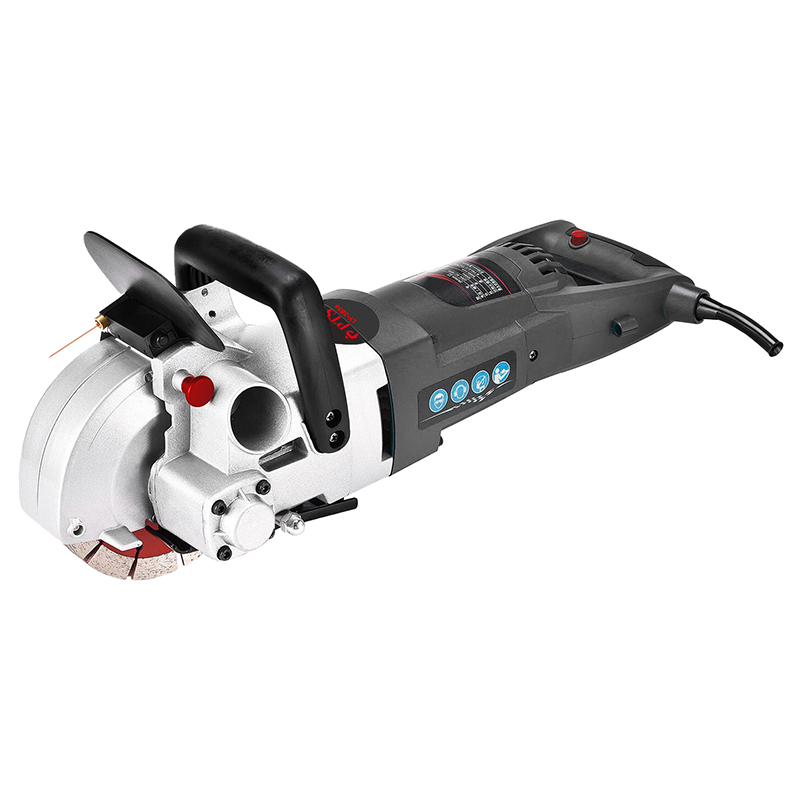
Construction: Cutting rebar, threaded rod; slicing tiles, stone slabs, concrete pavers; chasing grooves, scabbling concrete; cleaning surfaces.
Woodworking (High Caution Required): Rapid cutting of lumber (use specific blades, extreme fire/dust hazard awareness); shaping edges.
Automotive Repair: Cutting exhausts, body panels; grinding body filler, rust; removing seized fasteners (caution advised).
Home DIY: Cutting pipes, modifying materials; grinding/sanding metal/stone objects; refinishing furniture; landscaping stone work.
Art & Sculpture: Rough shaping and texturing metal sculptures; assisting in stone carving.
Maintenance: Sustaining the Spin
Cleaning: Routinely clear dust and debris from air vents and the tool body after use. Prevent internal buildup that can overheat and damage the motor.
Carbon Brush Inspection (Brushed Motors): Periodically check brush wear (often via access ports). Replace brushes when half-worn to prevent commutator damage.
Bearing Lubrication: Depending on usage, have bearings inspected and re-lubricated by a professional to ensure smooth operation.
Cooling: Avoid prolonged, continuous heavy-duty use. Allow the tool to cool down periodically.
Storage: Keep in a dry, clean place. Protect from impact and avoid crushing the power cord.
The angle grinder, a whirlwind of power held in the hand, is a unique fusion of brute force and finesse. It can sever steel with fury and polish surfaces to a gleam. Yet, this immense capability carries inherent and significant risks. Only through a deep understanding of its operation, constant vigilance rooted in respect, strict adherence to safety protocols, and diligent maintenance can one truly master this "ultimate multitool." When handled responsibly, the angle grinder becomes an indispensable ally, its shower of sparks a testament to its power safely harnessed to serve humanity's endless drive to create, repair, and transform the material world. Remember: pulling the trigger activates both immense power and profound responsibility.
Previous:The Chainsaw: Taming Nature’s Fury with Raw Power
Next:No
 Back
Back