






















































































































































































































The Chainsaw: Taming Nature’s Fury with Raw Power
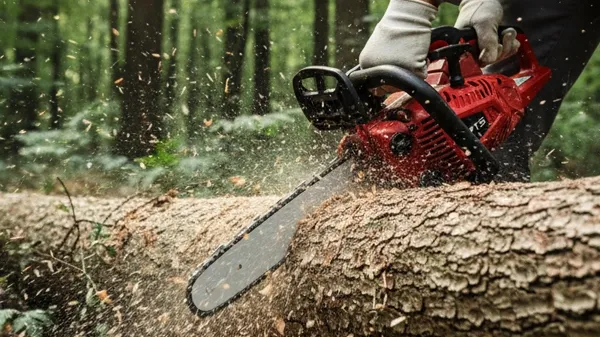
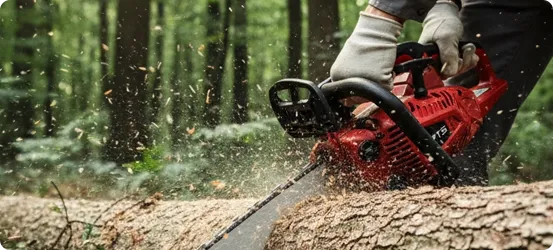
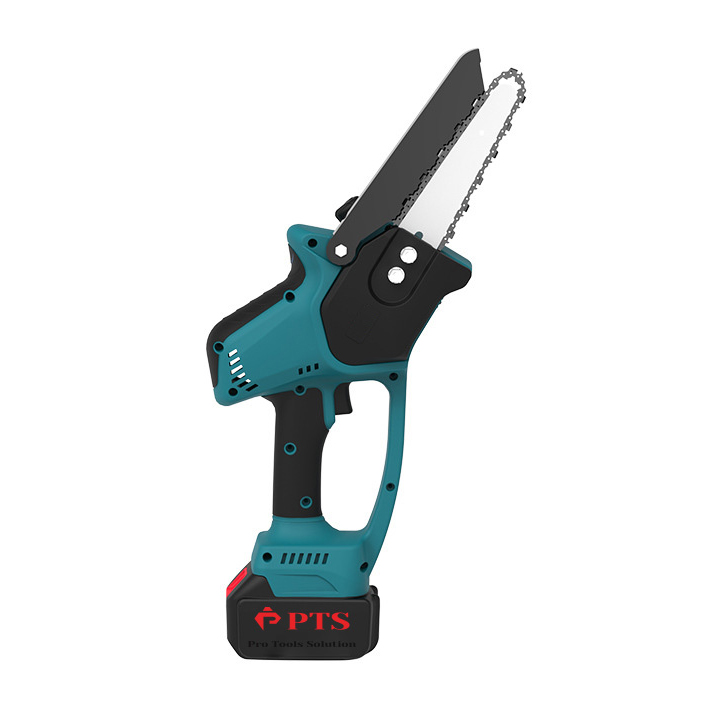
When an engine’s roar shatters the forest silence and a gleaming chain transforms into a whirling silver blur around a guide bar, the chainsaw emerges – a mechanical beast embodying human ingenuity harnessed to primal force. It is the forester’s indispensable extension, the emergency responder’s crucial lifeline, and the versatile tool for yard management or even artistic creation, a potent symbol of controlled power applied to the material world.
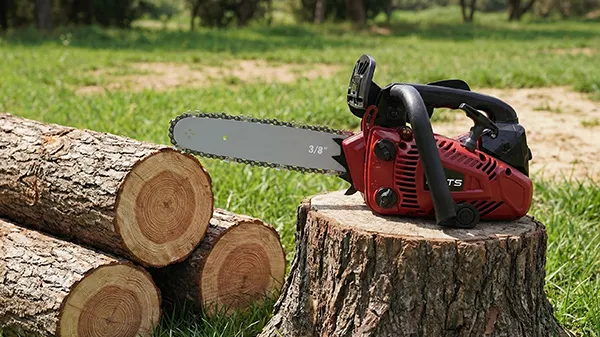
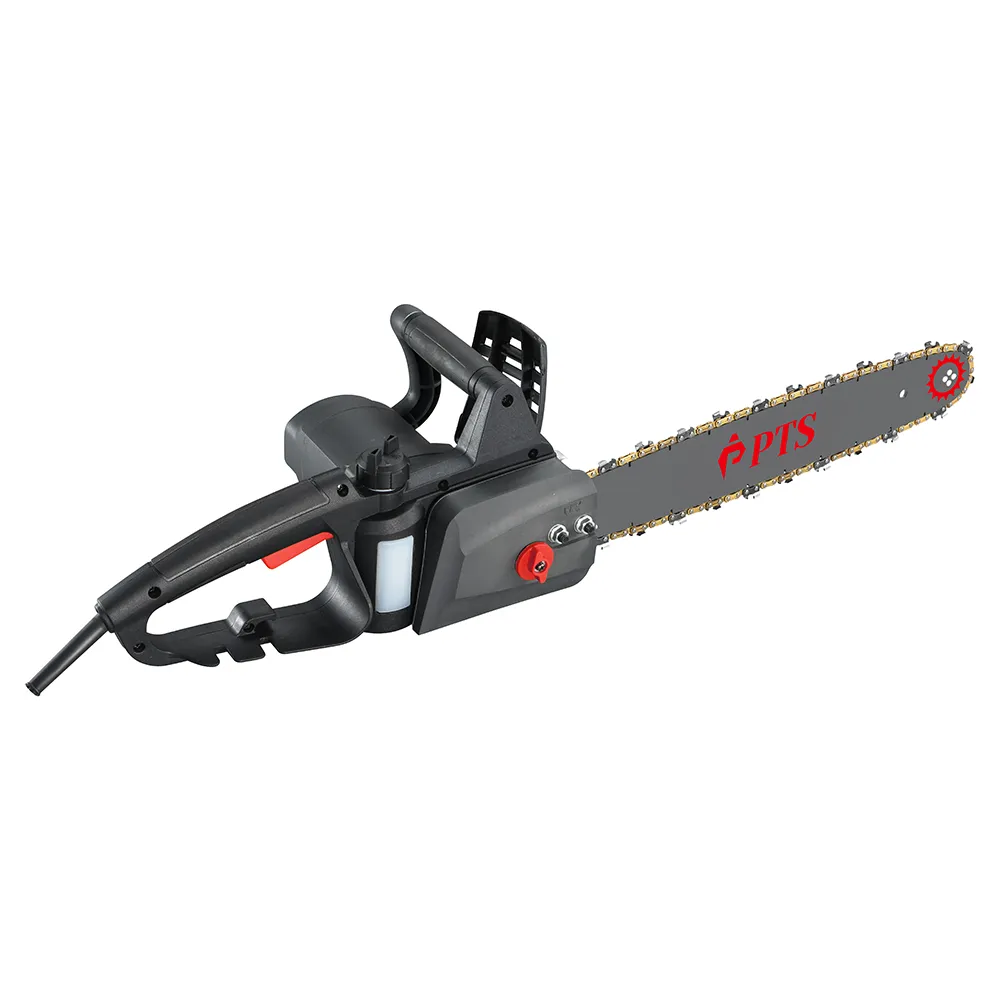
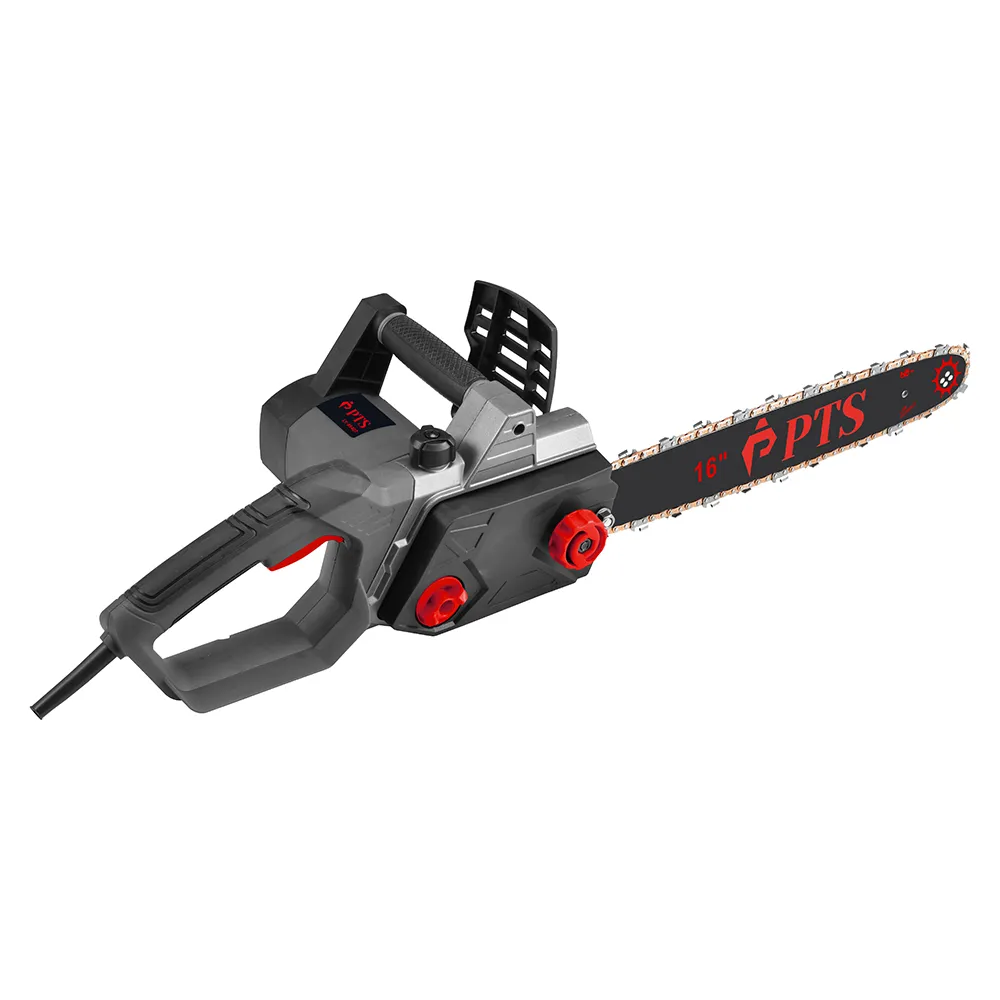
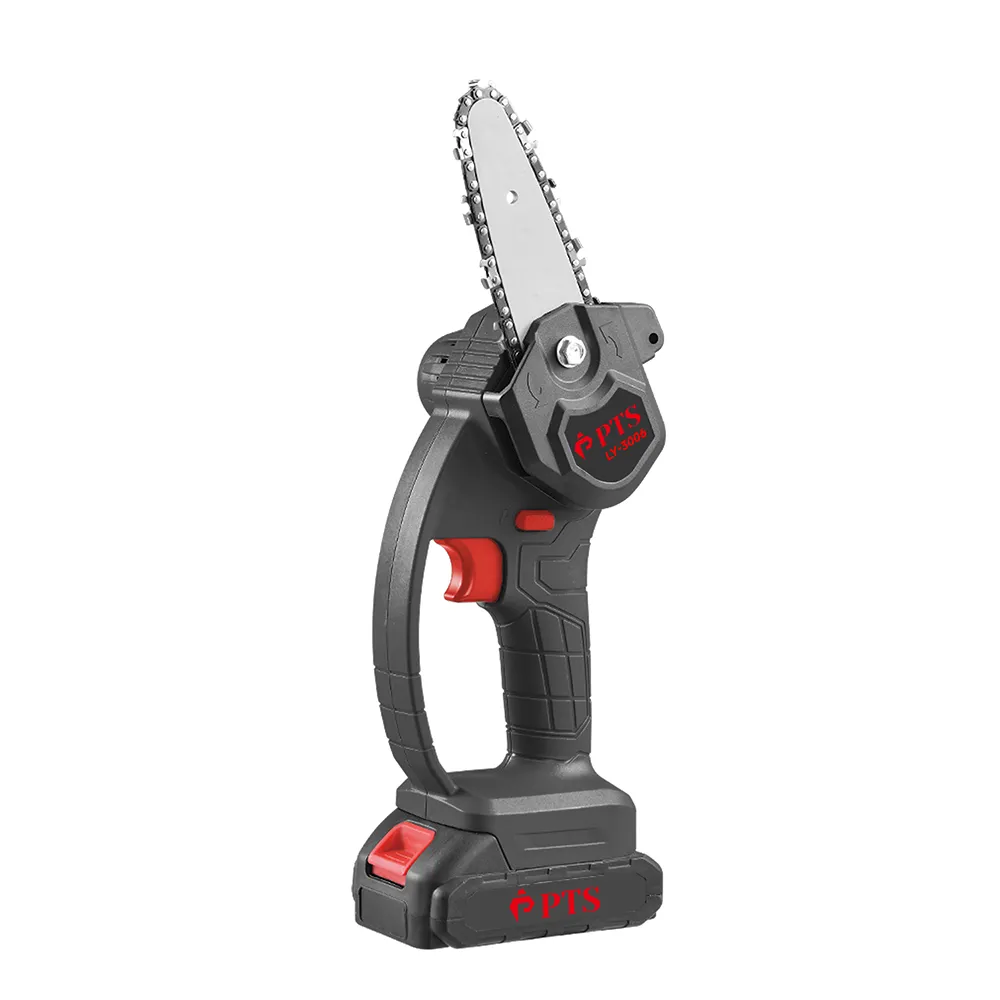
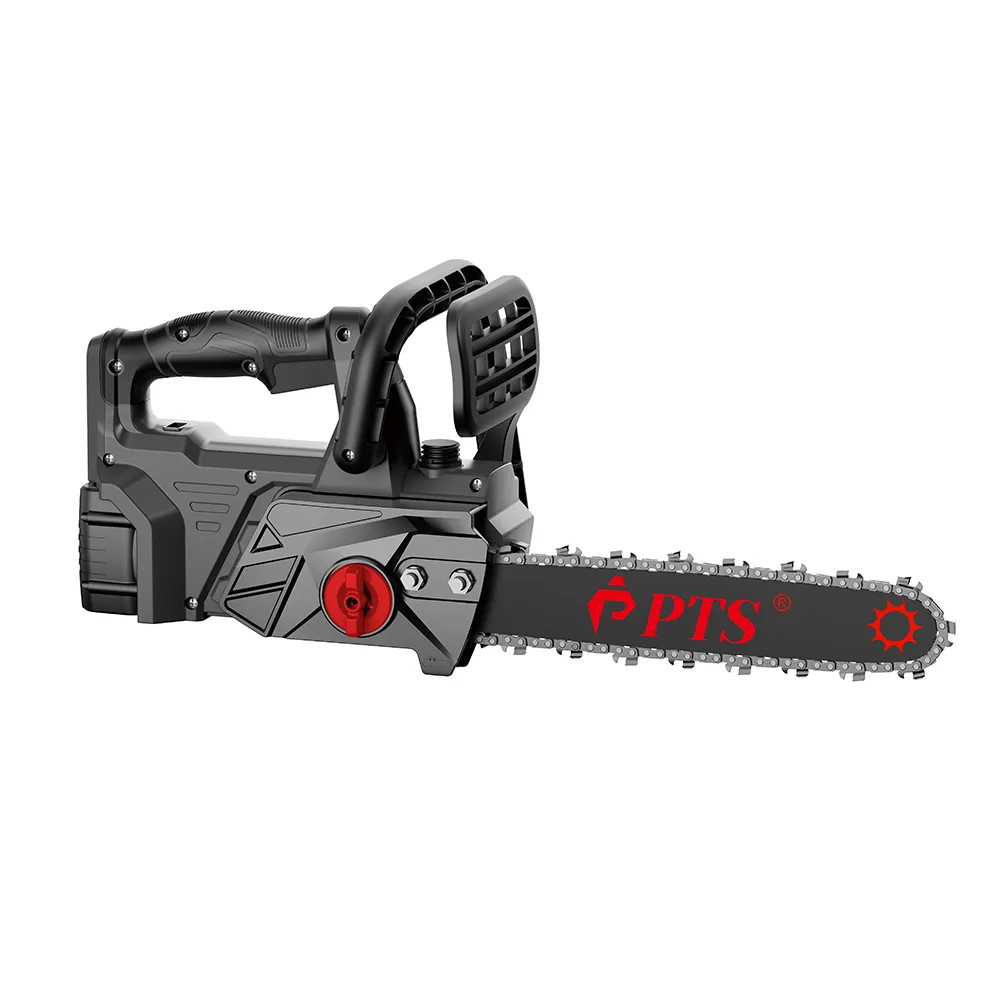
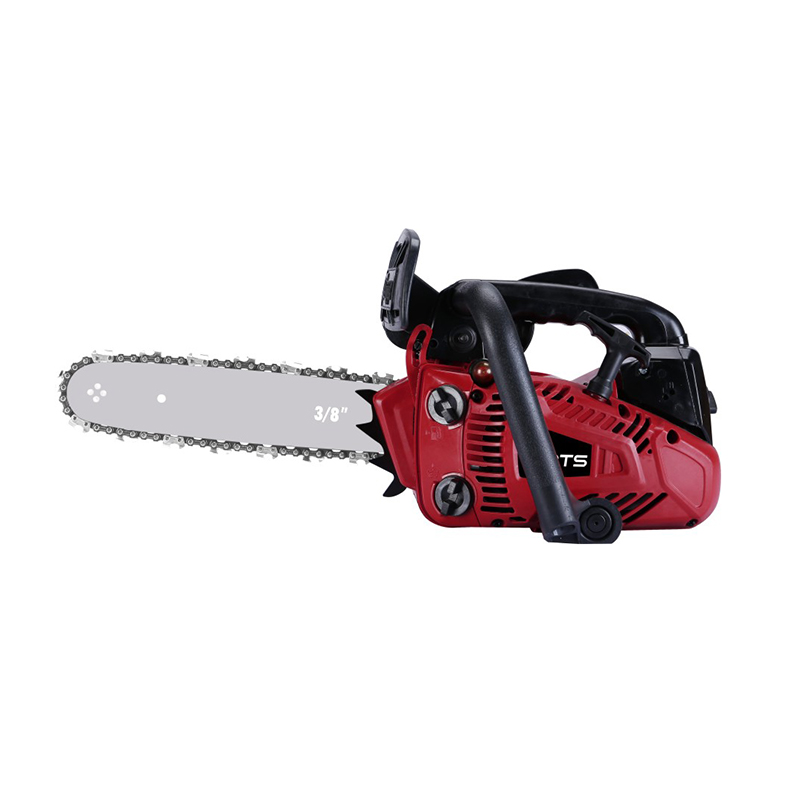
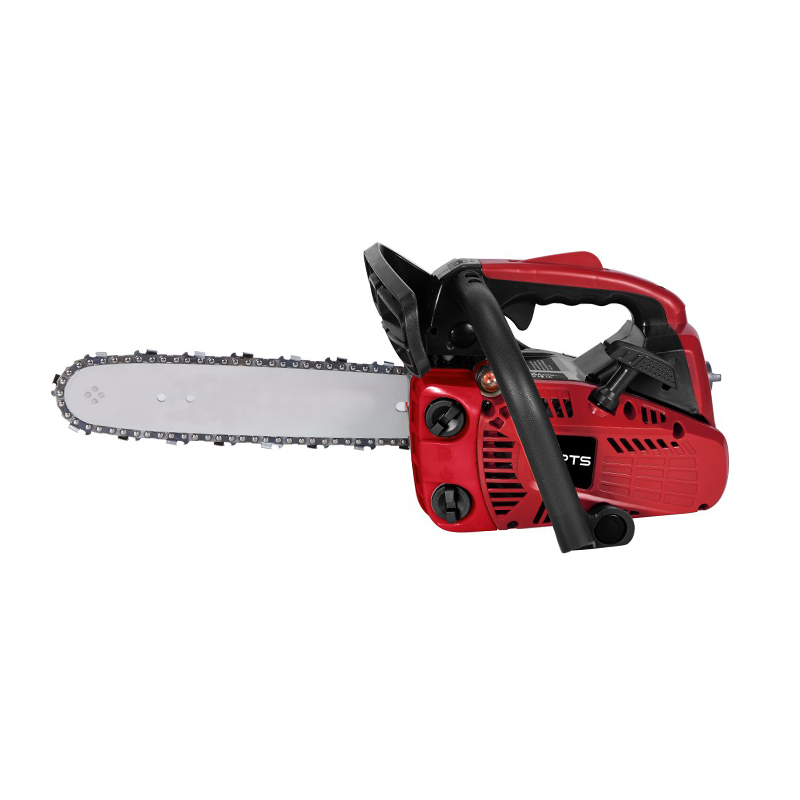
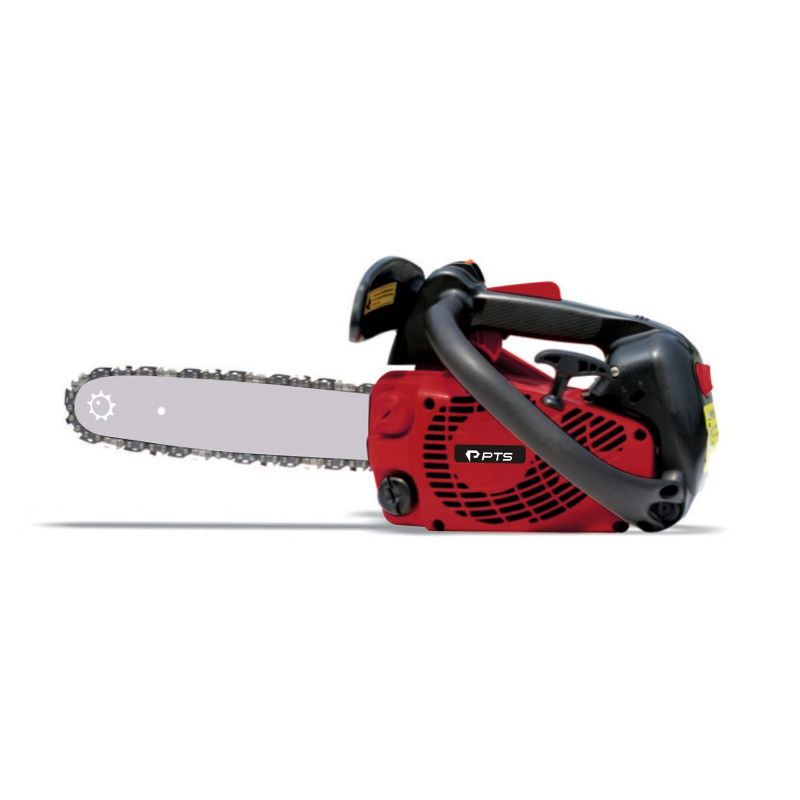
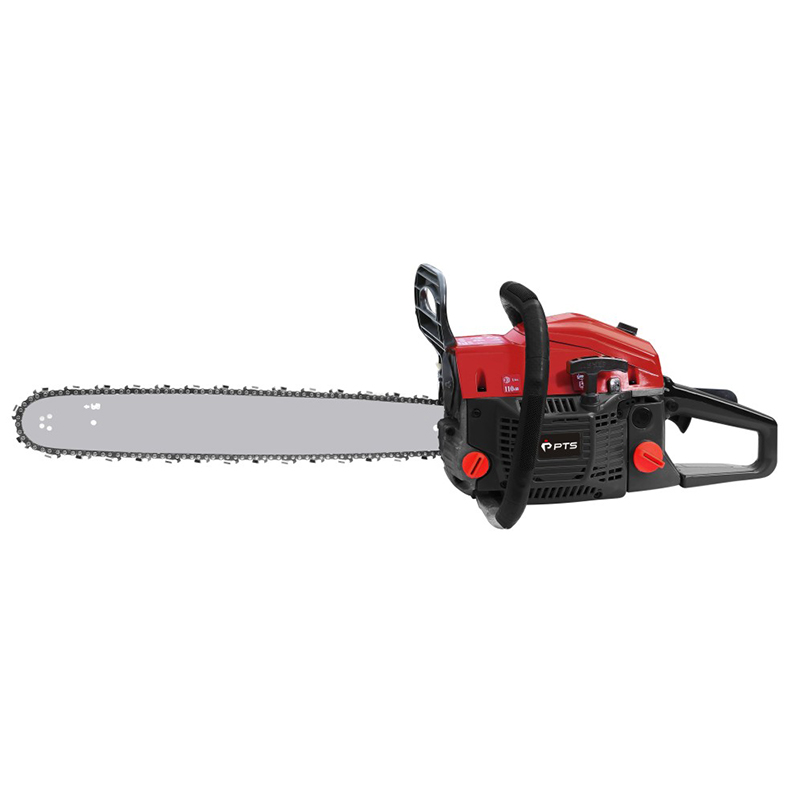
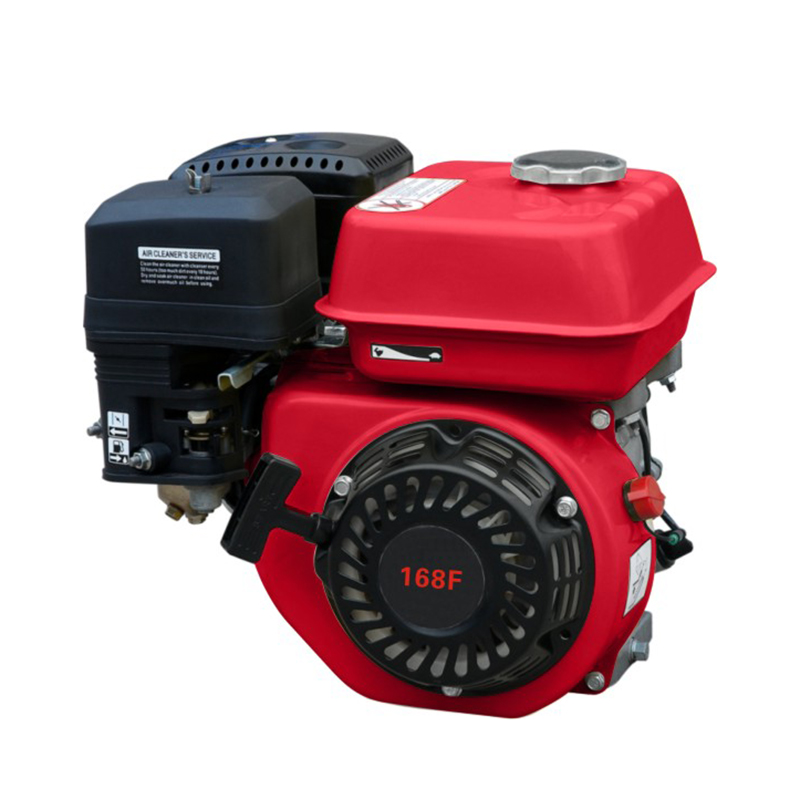
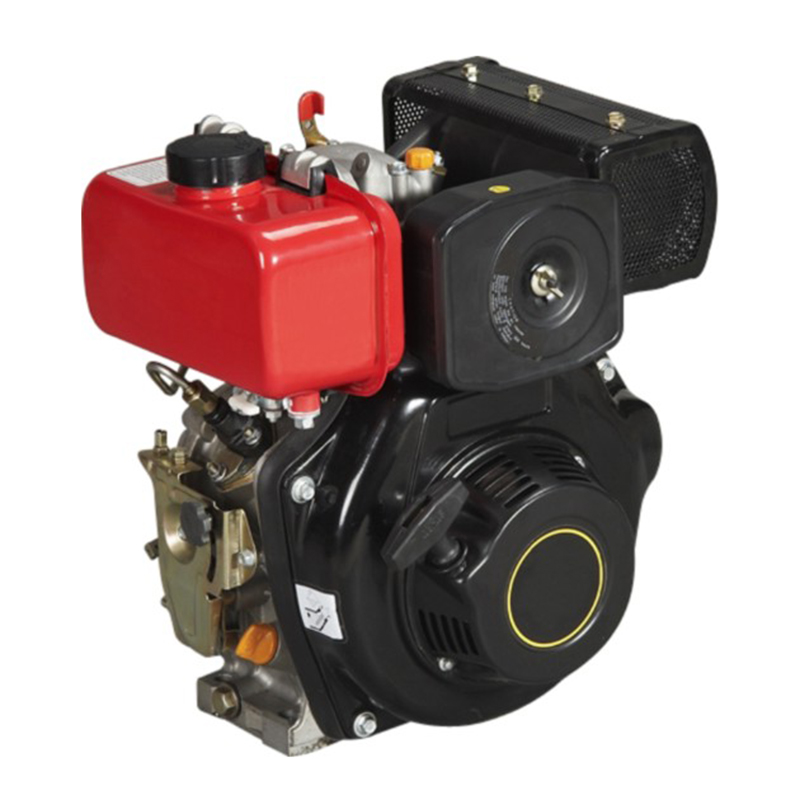
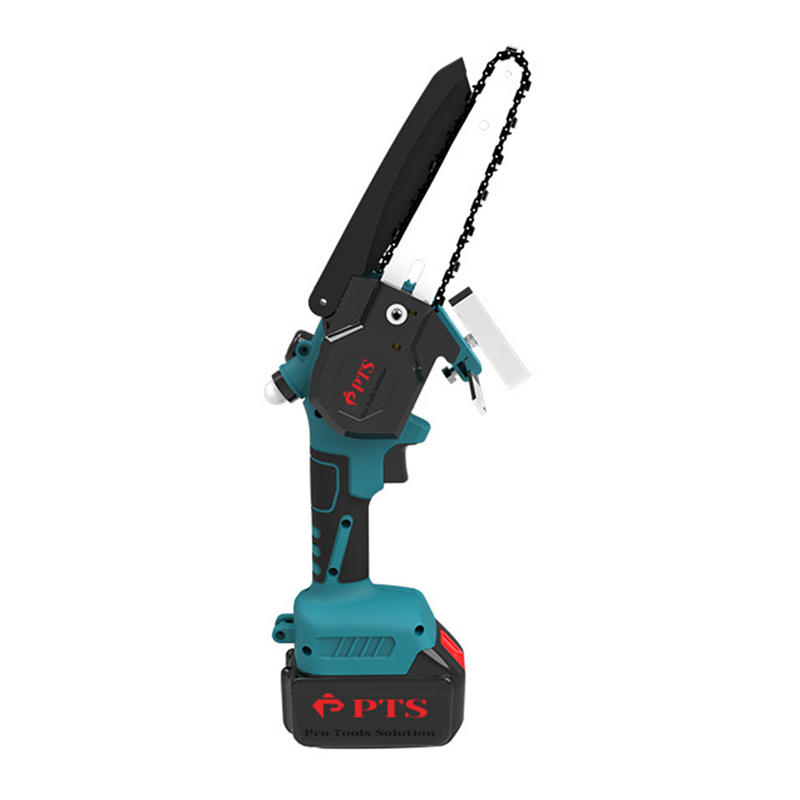
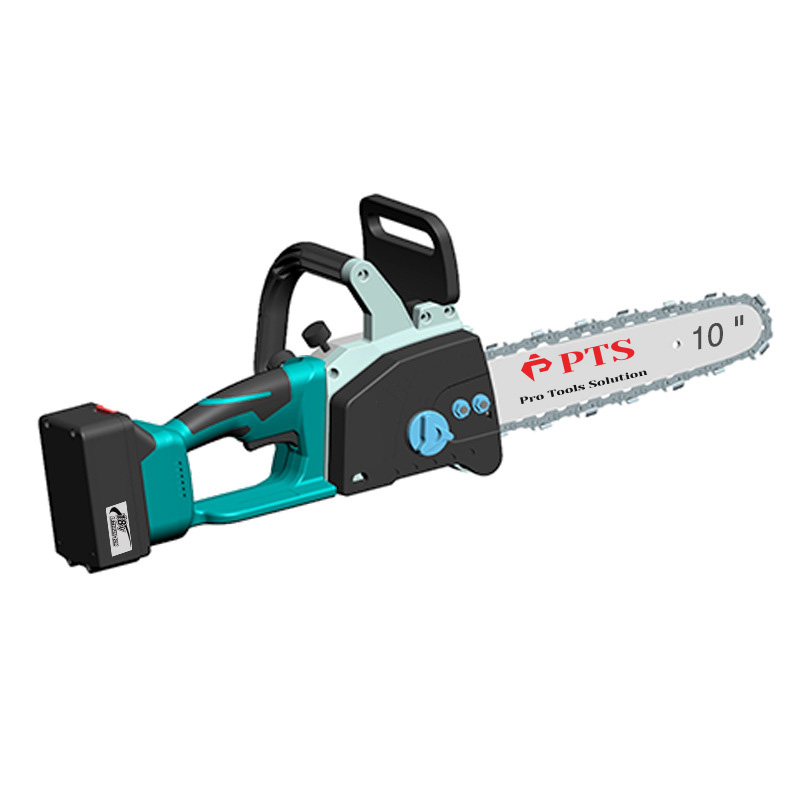
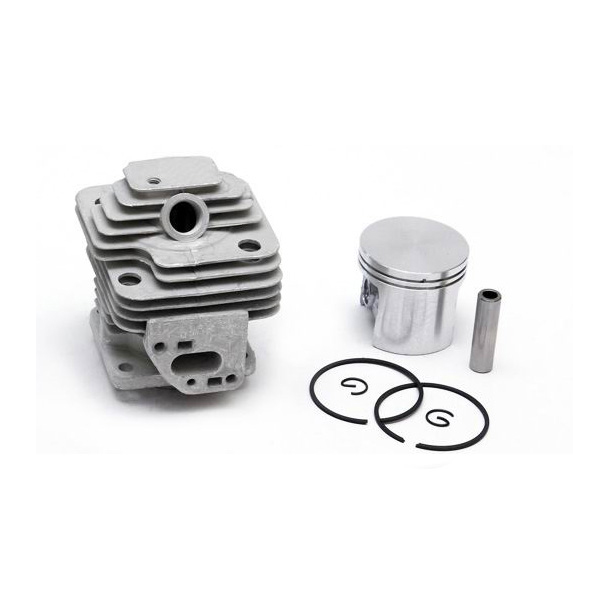
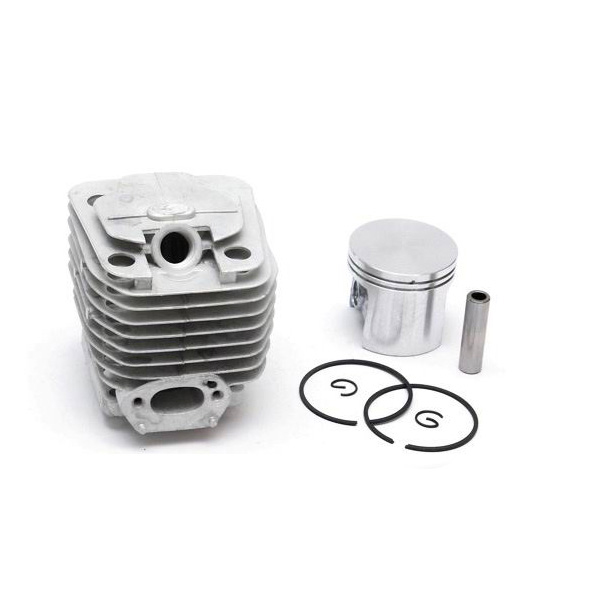
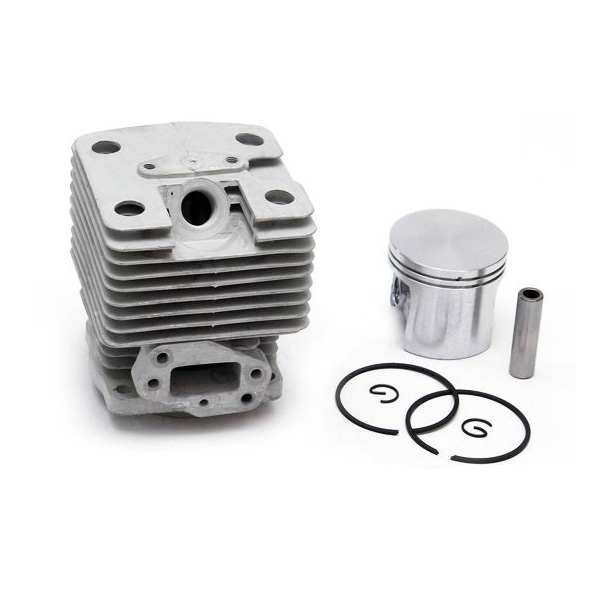
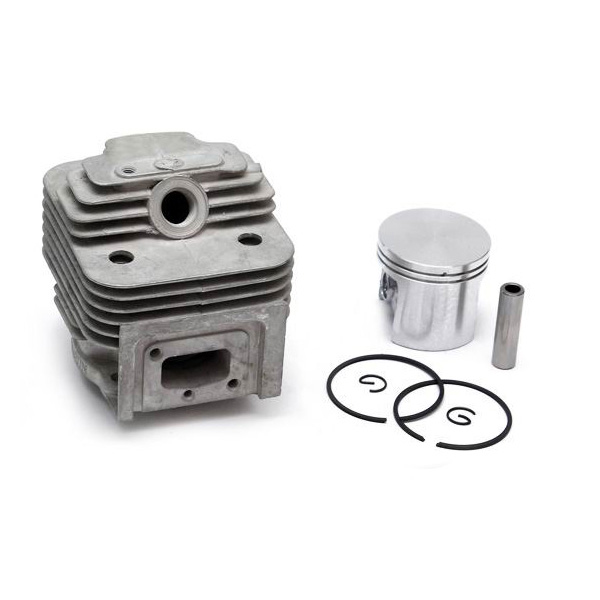
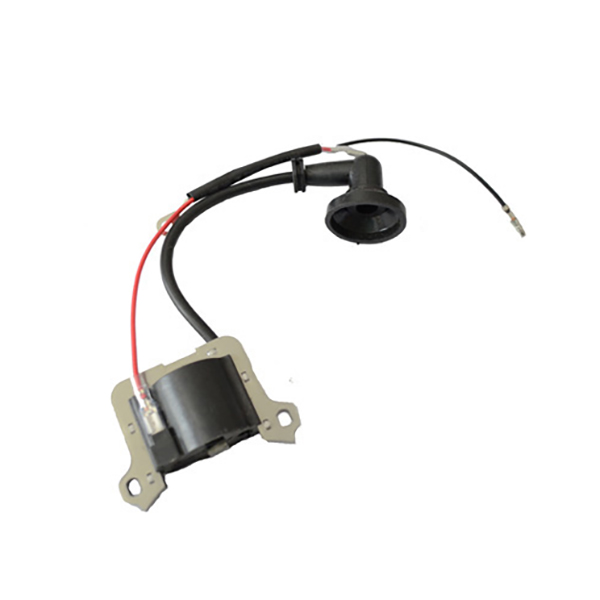
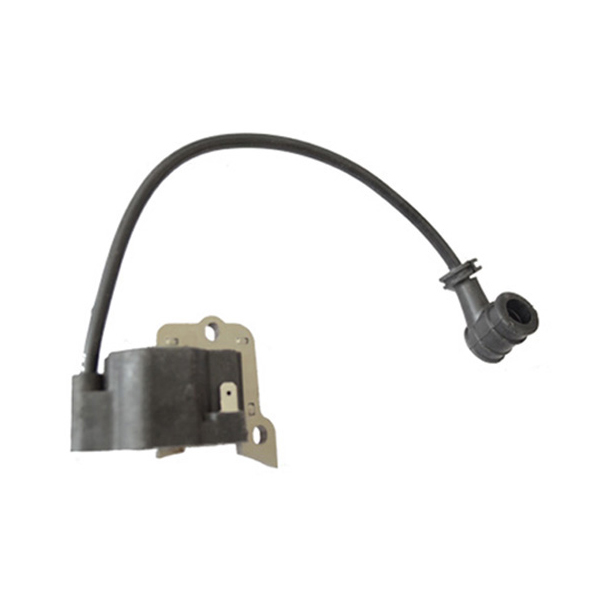
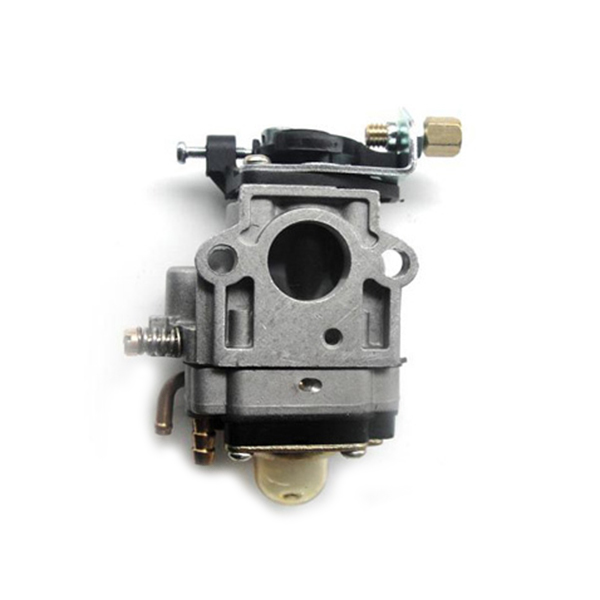
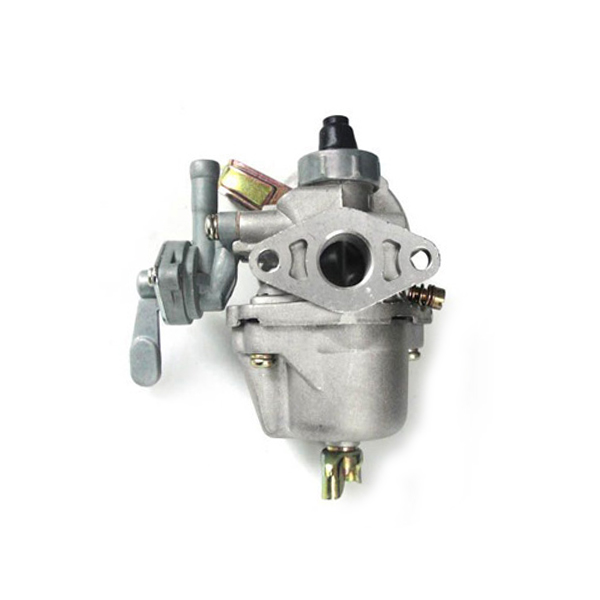
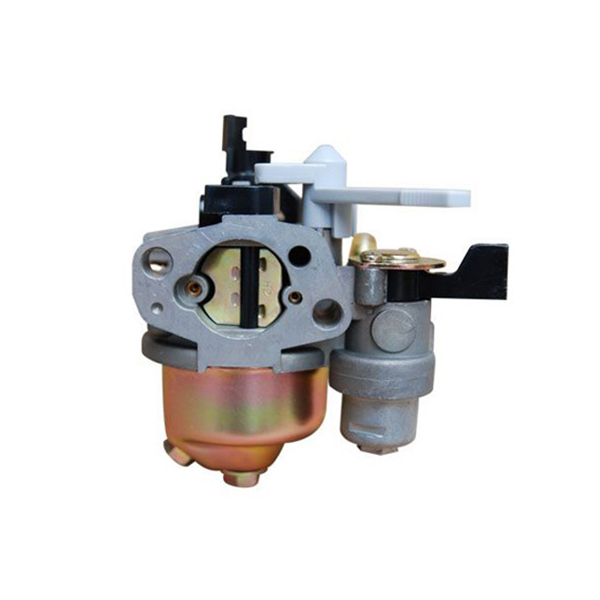
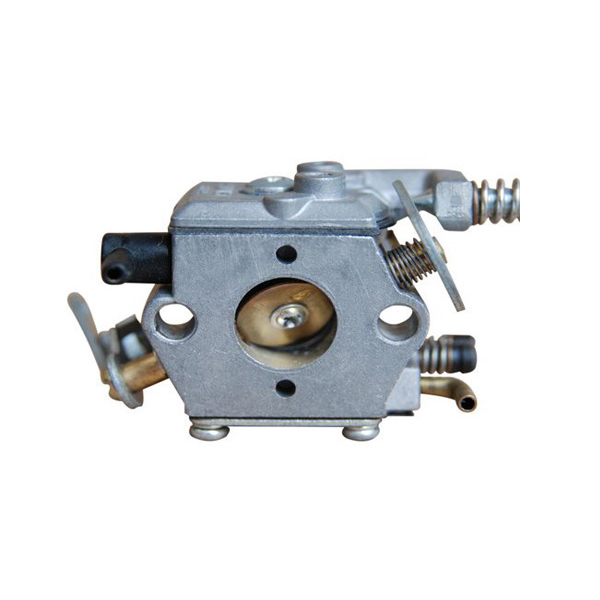
Anatomy: The Synergistic Heart of PowerAt its core lies a highly efficient two-stroke gasoline engine. Air and fuel, meticulously atomized by the carburetor, enter the cylinder. Compressed by the piston and ignited by the spark plug, the explosive energy drives the crankshaft into furious rotation. This raw power engages via a centrifugal clutch to the drive sprocket, setting the cutting chain – equipped with heat-treated teeth ground to precise angles – into relentless motion around the guide bar. The bar acts not only as a track but also incorporates a critical safety feature: the “kickback guard” at its tip, designed to mitigate the sudden, dangerous upward thrust known as kickback.
Safety Imperative: Respecting the Razor’s EdgeOperating a chainsaw demands unwavering respect for safety. Before every start, verify chain tension, bar lubrication, and the integrity of all safety shields. Essential personal protective equipment (PPE) is non-negotiable: helmet, eye protection, chainsaw chaps, sturdy boots with grip, and cut-resistant gloves. Exercise extreme caution in the “kickback zone” – the upper quadrant of the bar tip where kickback forces originate. Maintain a firm, balanced stance, gripping both handles securely, keeping your body clear of the cutting arc. With approximately 30,000 chainsaw-related injuries recorded annually in the US alone, primarily due to improper use or inadequate protection, these protocols are vital shields against the tool’s inherent hazards.
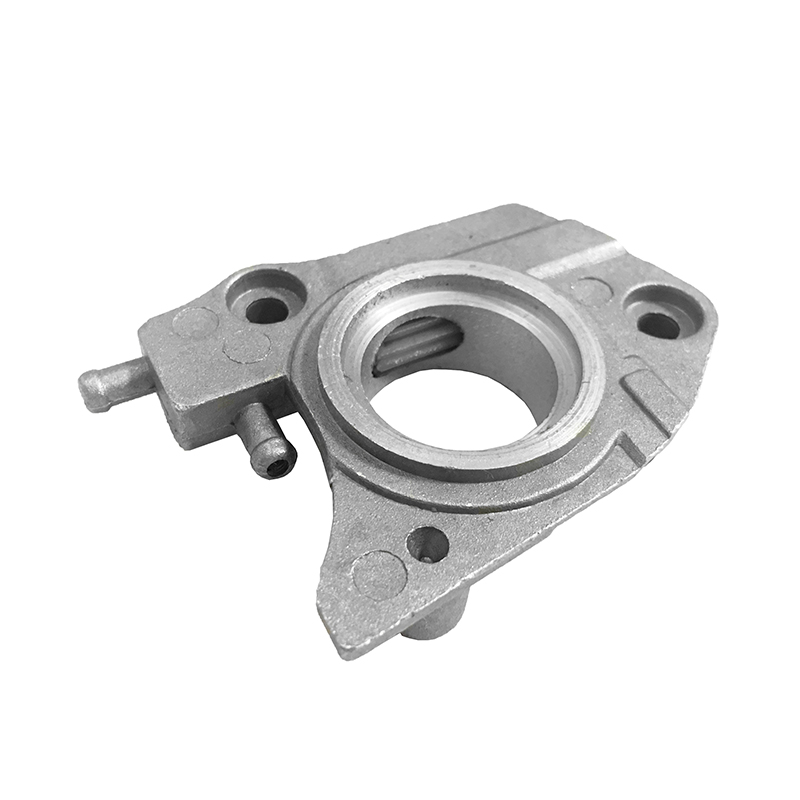
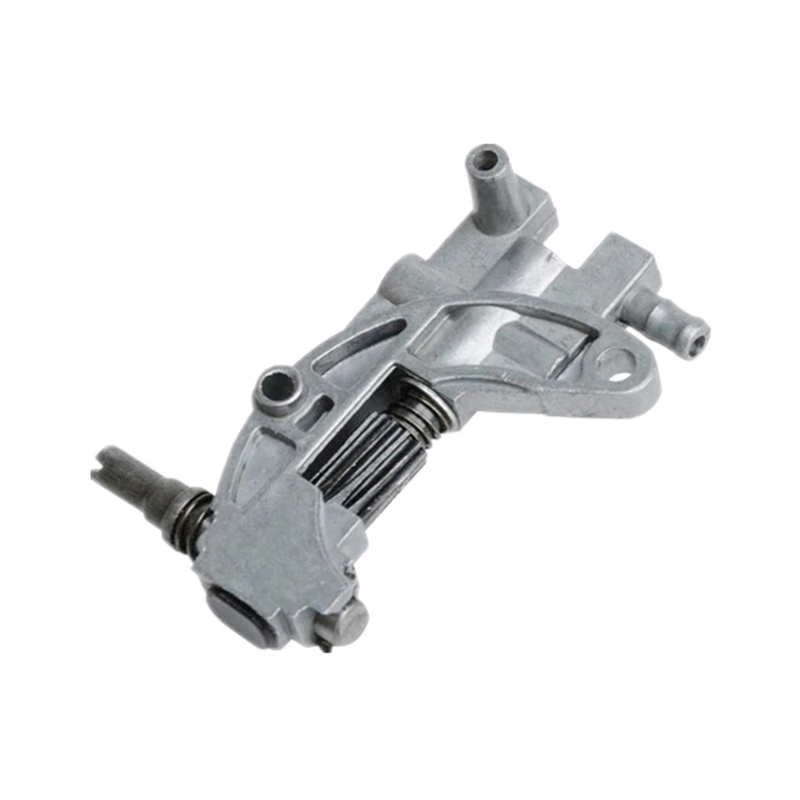
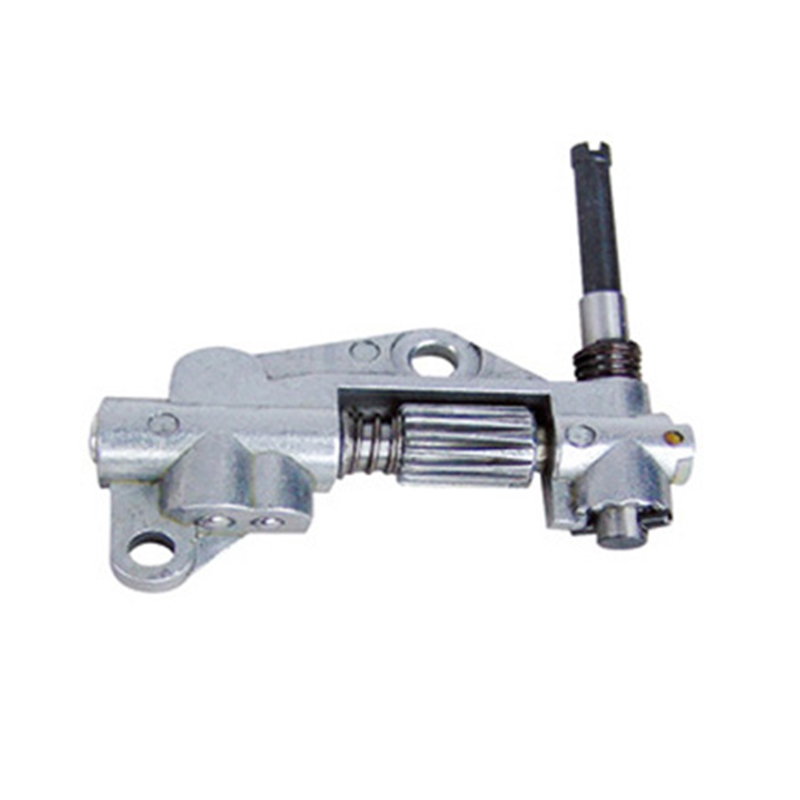
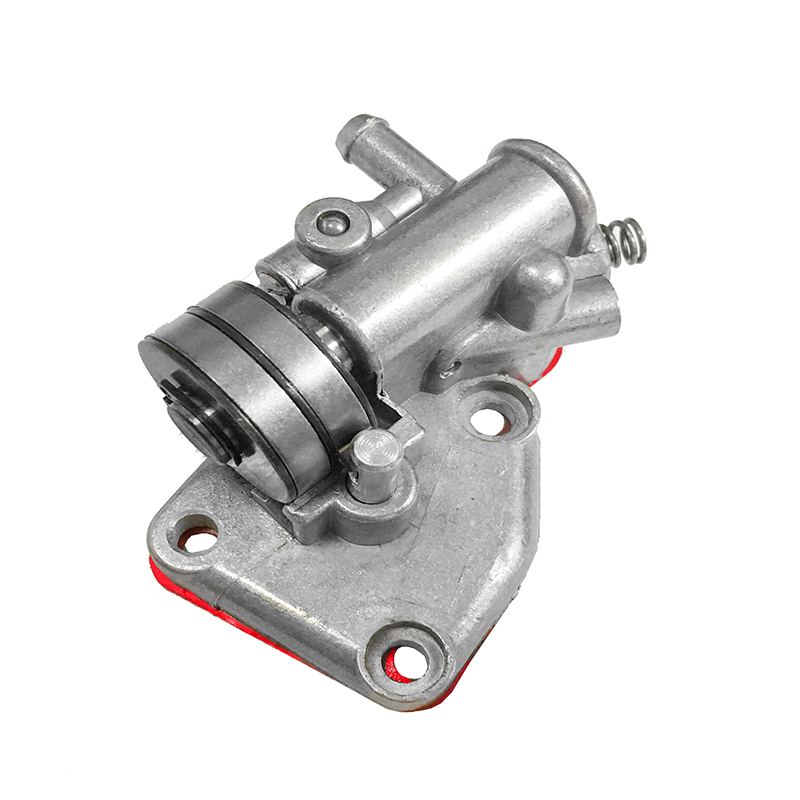
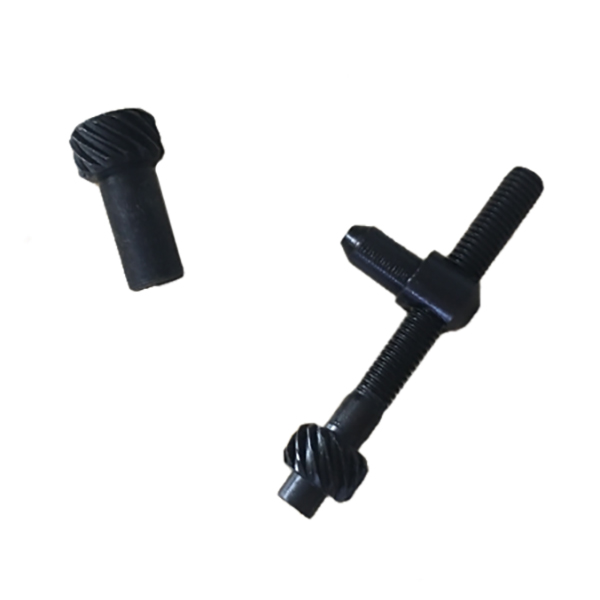
Maintenance: Sustaining Peak PerformanceReliability springs from diligent care. Fuel must be a precise mix of high-quality two-stroke oil and gasoline (commonly 1:50 ratio). Stale fuel mixture severely damages the engine. Regularly clean or replace the air filter to ensure unimpeded airflow. A sharp chain is paramount; a dull chain forces excessive effort, increasing danger and fuel consumption. Post-use, clean debris and residue, check chain tension and oiler function, and store the saw in a dry place. These meticulous steps are essential investments guaranteeing longevity and readiness for the next task.
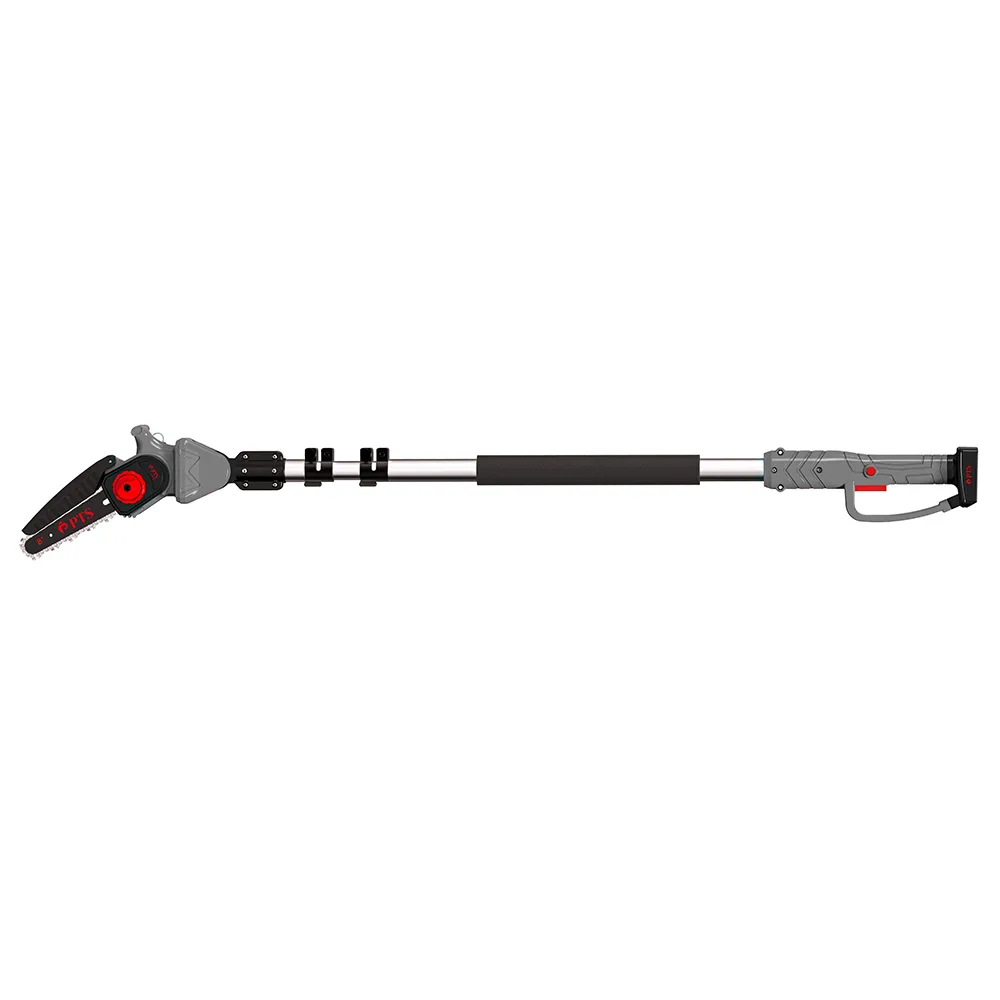
Versatile Realm: Applications Beyond the TimberlineThe chainsaw’s utility extends far beyond felling trees. At disaster sites, it’s the rescuer’s swift blade, clearing fallen timber to open pathways. In suburban yards, it becomes the gardener’s tool for trimming large limbs or shaping hedges. In workshops, artists wield it to carve bold forms from solid wood. Even film productions harness its distinctive roar and raw power to evoke tension. From industrial-grade felling giants to compact homeowner models, the chainsaw consistently proves its worth as a versatile power converter.
The chainsaw, a modern incarnation of raw force channeled through steel, exemplifies humanity’s ability to transform combustion into precise, material-altering power. Each pull of the starter cord ignites not just an engine, but a drive for efficiency and measured control over the physical world. Only armed with knowledge and disciplined by procedure can we truly master its formidable edge. This allows the wild energy of the chainsaw to be harnessed safely, efficiently, and enduringly – serving diverse human needs, etching a narrative of coexistence between civilization and nature amidst the meeting of metal and wood.